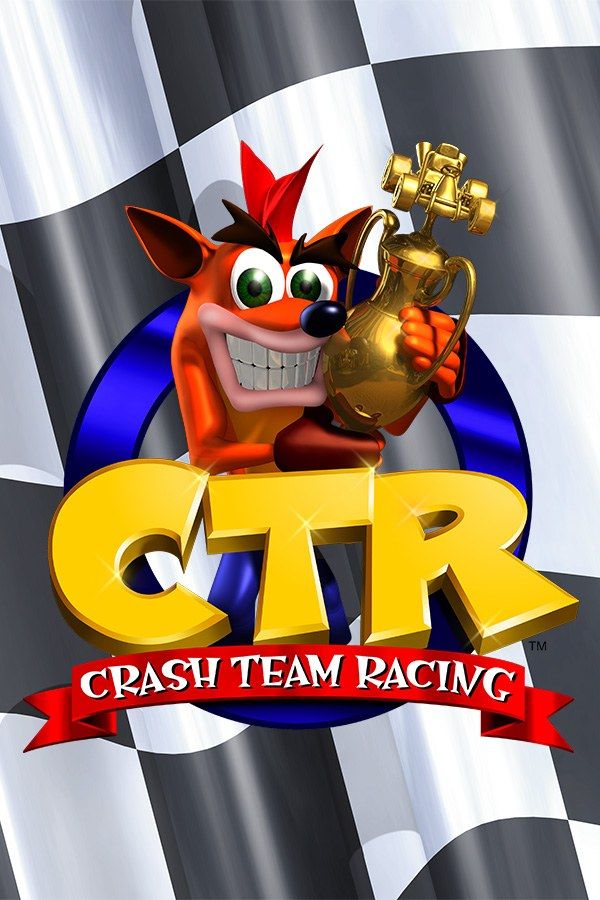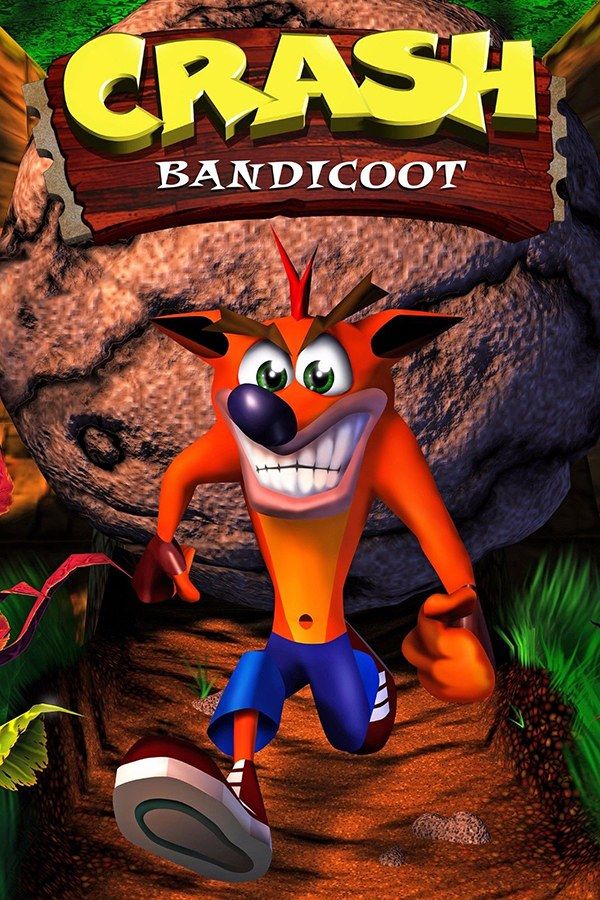
Naughty Dog’s 1996 platformer turned an orange marsupial into the face of the PlayStation. Crash runs into and out of the screen through jungles, ruins and factories, spinning through crates and jumping over pits, on his way to stop Dr. Neo Cortex. If you own the game, Nagori lets you play it on iPhone and iPad.
What you need
- An iPhone or iPad with iOS 17.6 or later.
- Nagori from the App Store. Your first game is free.
- A disc image of your copy of Crash Bandicoot:
.chd,.cue+.bin,.pbp,.isoor.img, or a.zipor.rarcontaining it. The game fits on a single disc.
No BIOS file is needed.
How to play Crash Bandicoot on iPhone
- Install Nagori from the App Store.
- Copy your Crash Bandicoot disc image to the Files app, in iCloud Drive or On My iPhone.
- Open Nagori, tap + and select the file. For a
.cueimage, select the.cuetogether with its.binfile, or add the archive they came in. - Find Crash on the PS1 shelf with its box art and press Play.
Controls
Crash Bandicoot came out before the PlayStation had analog sticks, so it was built for the D-pad. The Standard touch layout gives you the D-pad and the four face buttons, which is all the game uses. If your thumb keeps missing jumps, open Edit Layout in the pause menu and make the jump button bigger, or drag it where your thumb rests.
With a controller, every button sits where it did on the PlayStation pad, and the left stick works as the D-pad too. Press the left stick to open the pause menu.
Saves: get around the original save system
On the PlayStation, Crash Bandicoot only lets you save after finishing a bonus round, or by writing down a password. Nagori takes the pressure off:
- Quit any time. Leave the app mid-level and Continue puts you back exactly where you were.
- Save states. Pause and choose Save before a nasty stretch, like the rope bridges of Road to Nowhere or the platforms of Slippery Climb. If it goes wrong, Load instead of losing a life. Nagori keeps your last four saves per game.
- The memory card still works. Saves made in the game itself go to the game’s own memory card, as on the console.
Gems are the other reason to save often: you only get a level’s gem by breaking every crate without losing a life. Make a save state at the start of the level and you can retry the run as many times as it takes.
Best settings
- Quality: High, the default, renders the game’s 3D at twice the original resolution.
- Precise Geometry, in Advanced Settings, steadies the slight wobble of PS1 polygons. Try it on the jungle levels.
- Screen Effects → CRT Screen adds scanlines if you want the game to look like it did on a 1990s TV.
Nagori runs every copy at its original speed. European (PAL) discs run at 50 Hz, a little slower than the 60 Hz American and Japanese versions, just as they did on the console.